
Presentation
Case 1
A 44-year-old male utility worker sustained a high-pressure injection injury to his nondominant left index finger while operating a grease gun.
His dominant hand holding the gun slipped and inadvertently injected an unknown quantity of grease into his left index finger at the lateral side of the middle portion of the distal phalanx. He estimated the pressure of the hose to be approximately 4 to 5 pounds per square inch. The injection pressure at the nozzle was unknown and likely significantly higher than the hose pressure.
He was taken to the operating room. Initial decompression and debridement revealed a small amount of grease, which was irrigated and debrided. Six months later, the patient presented with a mass in the pulp of the index finger (
Error rendering macro ‘figureslink’ : Error occurred rendering template content
). It was suspected that this was a post-traumatic epidermoid inclusion cyst or granuloma. Surgical exploration revealed two tumors closely adherent to neurovascular bundles (
Error rendering macro ‘figureslink’ : Error occurred rendering template content
). These were removed and permanent pathology demonstrated these to be xanthogranulomas secondary to foreign body retention. The patient retained full motor function of his hand with only a small amount of sensory loss of the distal phalanx (
Error rendering macro ‘figureslink’ : Error occurred rendering template content
).
If this had been left untreated it is likely that he would have developed ulcers or draining sinuses as described by Mason and Queen.
Case 2
A 21-year-old male was working as a sealer at an automotive manufacturing plant. He attempted to open a valve on a sealing mechanism and received an injection injury of polyvinylchloride (PVC) sealant to his non-dominant left ring finger. Injection pressure and quantity was unknown.
At presentation, there was a small lesion on the radial side of the flexor surface of the distal interphalangeal joint. A small amount of white injection material was present (
Error rendering macro ‘figureslink’ : Error occurred rendering template content
).
He was taken to the operating room where the digit was opened from tip to several centimeters into the palm. Toothpaste-like injection material was found to have obliterated a portion of the radial digital nerve secondary to direct pressure (
Error rendering macro ‘figureslink’ : Error occurred rendering template content
). It extensively infiltrated the other neurovascular bundles and extended into the synovial sheath. Portions of the synovium were removed to allow for thorough removal of injected material while preserving the critical A2 and A4 flexor pulleys. All apparent PVC was removed under 3.6x magnification loupes and thorough irrigation with mineral spirits (as recommended by the manufacturer of the PVC), saline, and antibiotic solution was performed. He required no further procedures and recovered with a sensory deficit and impaired flexion of the fourth and fifth digits.
Case 3
A 28-year-old male heavy equipment operator sustained a high-pressure injection injury from a broken pressurized grease hose while lubricating an earth mover. Grease entered the flexor surface of the dominant right fifth digit approximately 1 cm distal to the metacarpophalangeal joint (
Error rendering macro ‘figureslink’ : Error occurred rendering template content
). He reported he felt grease enter his palm and was able to express grease from the entry point with pressure on his palm.
He was taken to surgery and a modified Brunner’s incision was performed from the distal interphalangeal joint into the carpal tunnel (
Error rendering macro ‘figureslink’ : Error occurred rendering template content
). Grossly, it was apparent that grease had penetrated proximally and distally in the fifth finger and into the palm. Interestingly, the grease had hit the palmar web and extended distally into the ring finger. This demonstrates the importance of a thorough exploration of the affected area. The penetration of injection material is dependent on many factors and its course is not completely predictable.
A 10 mm x 5 mm segment of devitalized skin was removed. Thorough irrigation was performed and the wound was left open with a continuous mechanical irrigation system. Skin was closed and a full thickness skin graft was necessary to obtain full coverage. A full impairment assessment was performed and it was determined that the patient had permanent impairment of 12% of hand function based on AMA guidelines (
Error rendering macro ‘figureslink’ : Error occurred rendering template content
) and (
Error rendering macro ‘figureslink’ : Error occurred rendering template content
).
Case 4
A 25-year-old male plant manager sustained a high-pressure injection injury while disassembling and air gun he did not know was still pressurized. While removing the nozzle, an unknown substance was injected into his non-dominant left index finger. He thought the substance was either paint thinner or dirty water.
At presentation, the patient complained of pain and numbness of the injected digit and palm. There was a small laceration on the volar surface of the digit in the crease of the proximal interphalangeal joint (
Error rendering macro ‘figureslink’ : Error occurred rendering template content
).
He was taken to the operating room and the index finger and palm were opened with a modified Brunner incision (
Error rendering macro ‘figureslink’ : Error occurred rendering template content
). Extensive debridement of devitalized tissue was performed. The odor of paint thinner was noted and there was evidence of chemical necrosis of the adipose tissue in a large segment of the hand.
In the first surgery, thorough irrigation was performed and the wound was left open. We believe this patient had a systemic reaction to the injected paint thinner. After the initial surgery, he became hemodynamically unstable and required admission to the intensive care unit and treatment with pressors. He stabilized by the next morning. Signs and symptoms of compartment syndrome occurred on post injury day 2 and required a return to the operating room. Fasciotomies of the dorsum of the hand and anterior compartment of the forearm were performed (
Error rendering macro ‘figureslink’ : Error occurred rendering template content
). Several trips to the operating room were required for repeated debridement of devitalized tissue including amputation of the left index finger.
Several weeks after the injury, a split-thickness skin graft was placed on the forearm and dorsum of the left hand. Multiple additional surgeries were required for lysis of adhesions, and an 80-degree flexion contracture of the proximal interphalangeal joint of the left long finger was released at 7 months post-injury. Sixteen surgeries were performed in 10 months.
The patient was very motivated and regained as much hand function as possible, but continues to have significant impairment (
Error rendering macro ‘figureslink’ : Error occurred rendering template content
and
Error rendering macro ‘figureslink’ : Error occurred rendering template content
).
Figures
Diagnosis (Click to see answer)
Notes
References
Attachments:

Figure 1.a.jpg (image/jpeg)
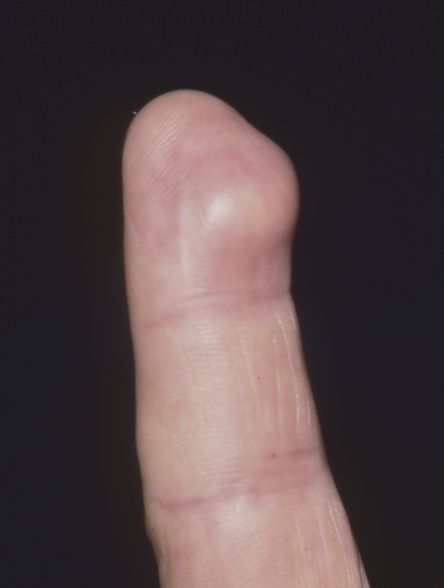
Figure 1.b.jpg (image/jpeg)
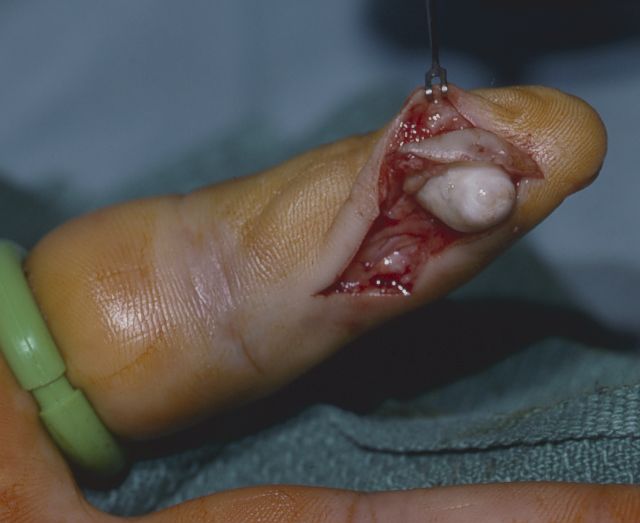
Figure 1.c.jpg (image/jpeg)

Figure 2.a.jpg (image/jpeg)
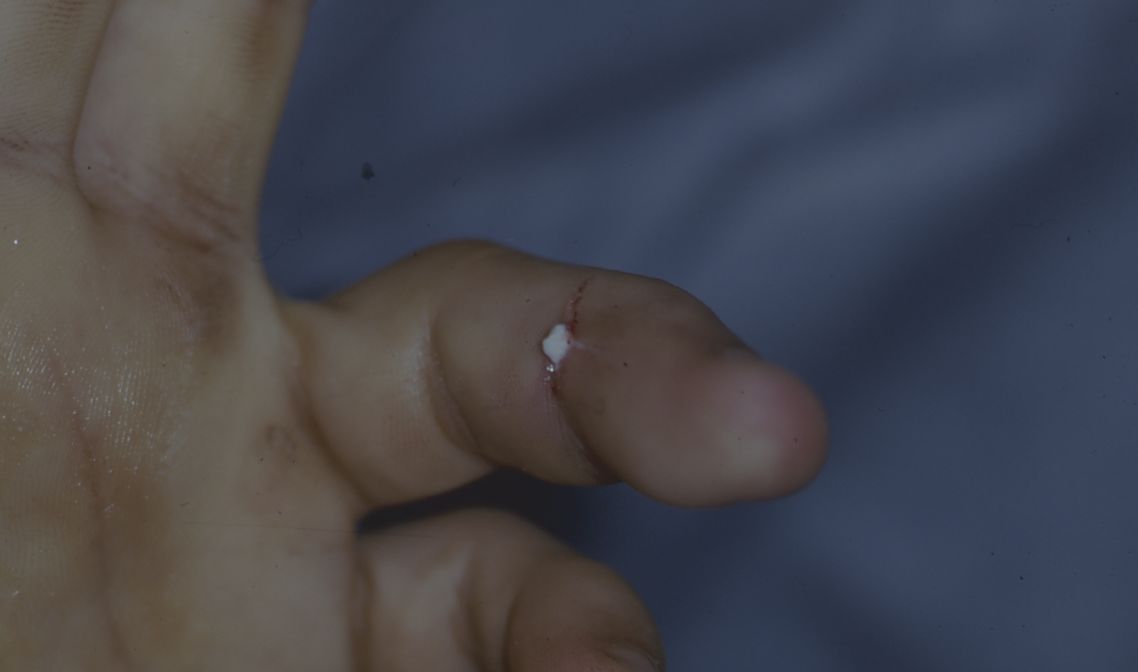
Figure 2.b.jpg (image/jpeg)
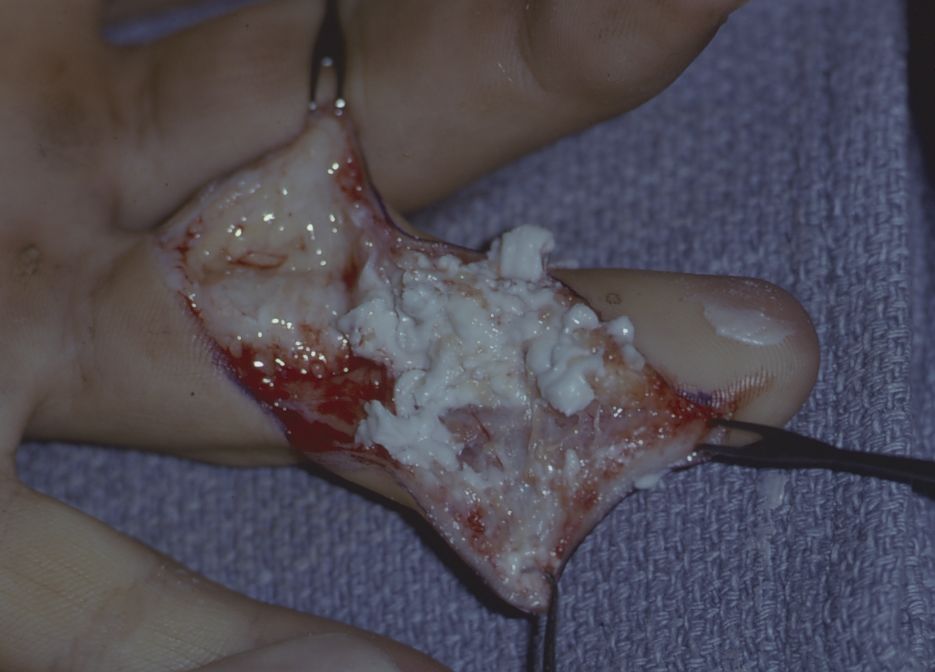
Figure 3.a.jpg (image/jpeg)
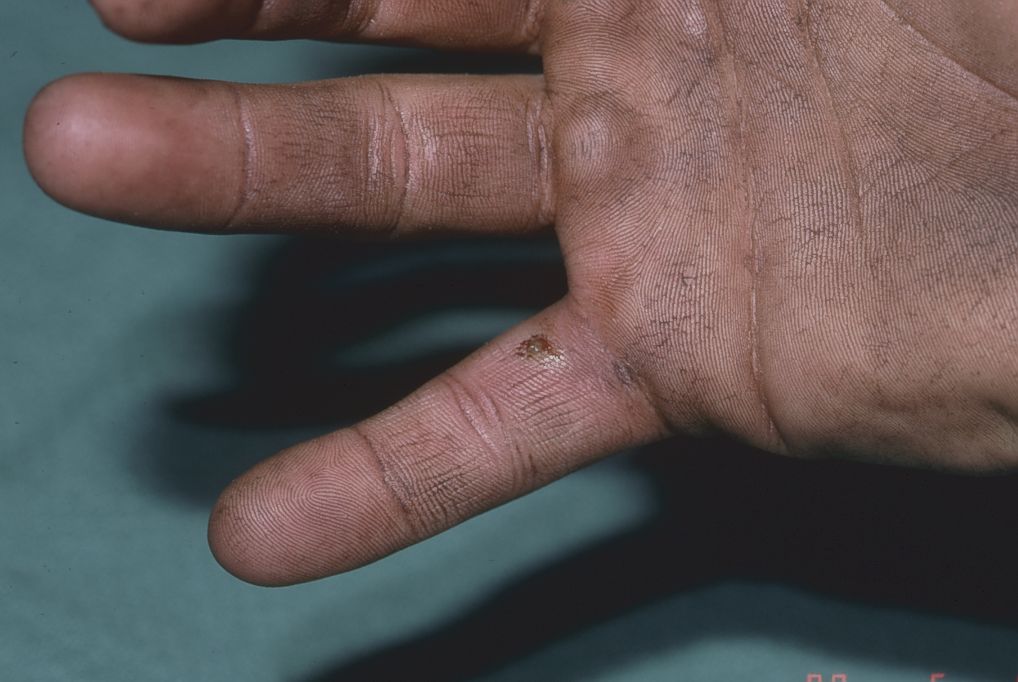
Figure 3.b.jpg (image/jpeg)
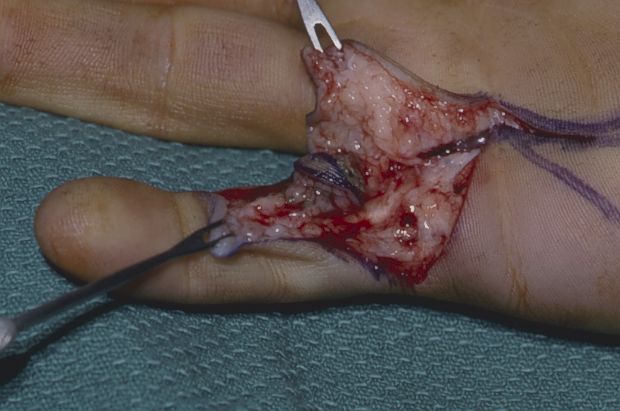
Figure 3.c.jpg (image/jpeg)

Figure 3.d.jpg (image/jpeg)

Figure 4.a.jpg (image/jpeg)
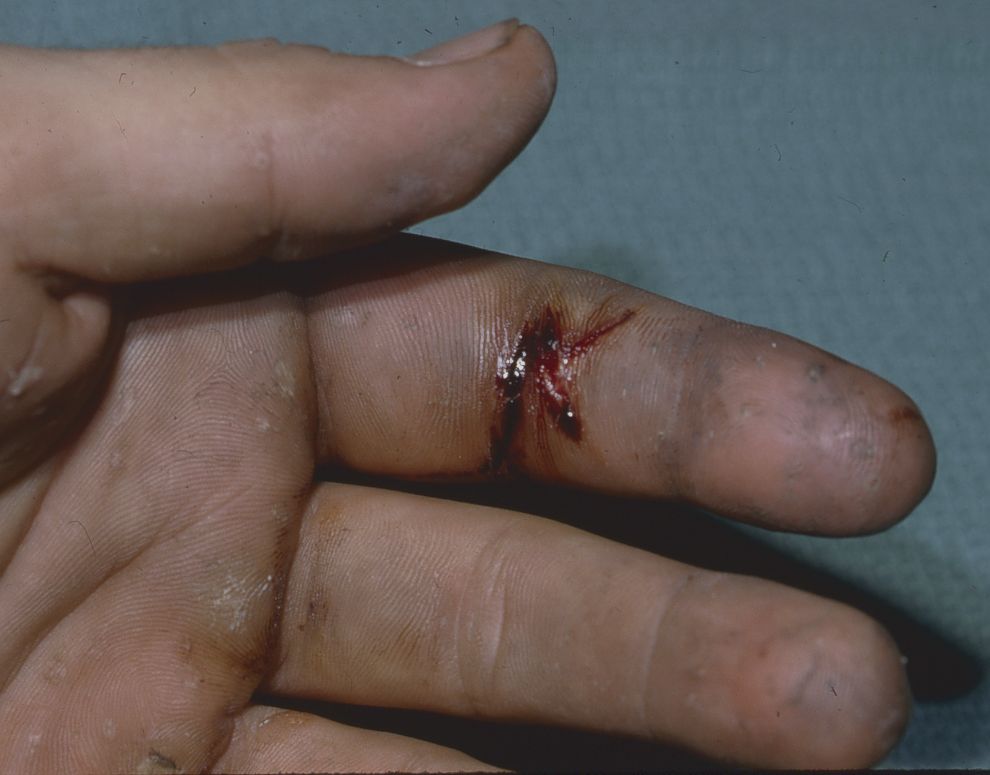
Figure 4.b.jpg (image/jpeg)
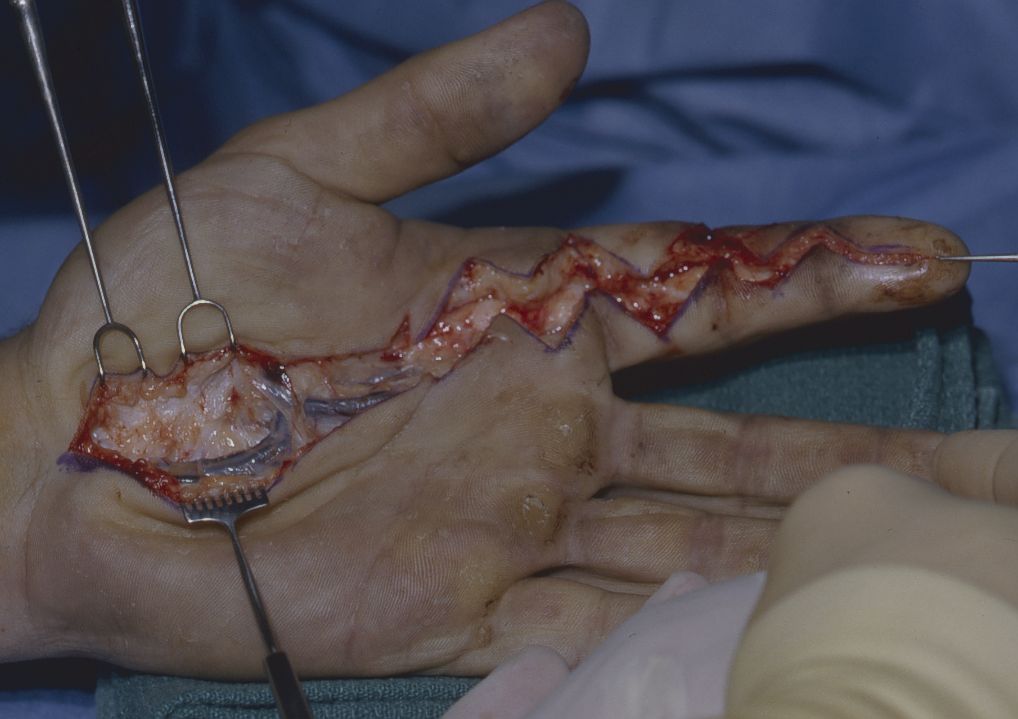
Figure 4.c.jpg (image/jpeg)
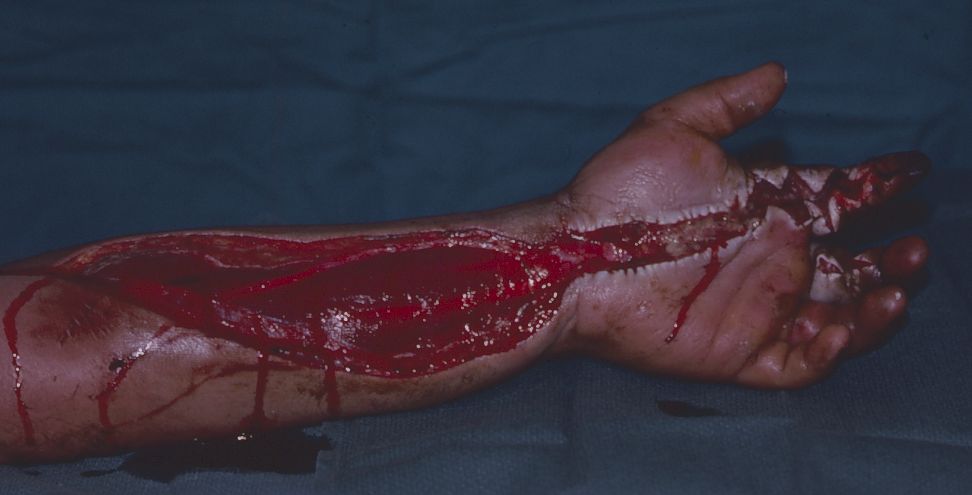
Figure 4.d.jpg (image/jpeg)

Figure 4.e.jpg (image/jpeg)
